Cut Through the Noise. See the Real Problem.
I bring 26 years of investigative, clinical, and crisis-response experience to help men gain clarity, stabilize their internal system, and build durable change with structure and precision.


Performance Focused Treatment
This work is direct, structured, and precise. I use performance-driven methods grounded in neuroscience and behavioral science to strengthen the mind-body system so insight turns into measurable results. The goal isn’t temporary relief – it’s stronger functioning, resilience, and sustained performance.
Leveraging 26 Years of Experience
I bring 26 years of clinical experience into this work along with a background as a licensed private investigator. That investigative training influences how I practice therapy. Rather than stopping at surface symptoms, I help identify hidden patterns, missing pieces, and the deeper mechanisms shaping your experience. You remain the expert on your life while therapy creates the conditions for meaningful change.

"I am a monster to my daughter but I cannot trust anybody else to even change her diapers."
"Prior Planning Prevents Piss Poor Performance."


Credentials and Qualifications
I maintain professional credentials and affiliations that reflect disciplined, ethical, evidence based – the kind of work that holds up under pressure and delivers results.
Areas of Expertise
I work with high-functioning, high-pressure men who carry responsibility at work and at home — men who don’t have the luxury of falling apart and need therapy that is structured, strategic, and built for real-world demands.
Client Focus
I work primarily with men who operate under pressure — men who carry responsibility at work, at home, and inside themselves. My approach is built for adults who need clarity, structure, and a therapist who understands what it means to be relied on.
Who I Work With

Treatment Modalities
I use methods that work in the real world — tools that help men get steady, clear, and back in control without jargon or abstract theory.

Philosophy
Why I'm Telling You This
I grew up in Snohomish, Washington, on a hobby farm. By every reasonable measure, it was an idyllic childhood. Middle-class family. Supportive parents. Mentors everywhere I looked. My father was an elder in a high-control fundamentalist church — the 2x2 Church, which is now the subject of an FBI investigation for institutional child sex abuse. We went to church three times a week. Wednesday night Bible study in our living room. Twice on Sundays. I was surrounded by responsible adults and a deep support system. My parents never drank. Neither did I. The religion preached abstinence above all else and provided exactly zero framework for understanding addiction beyond hope and prayer.
That framework failed me in college, around 1997. Having never been exposed to responsible drinking, the abstinence mindset made alcohol that much more enticing. The forbidden thing always is. I started using alcohol to cope — with what, I couldn't have told you at the time. My brother struggled the same way. He eventually found recovery through AA and has been clean over a decade. I respect the hell out of him for that. But I didn't go his route. I thought I was too smart, too educated, too singular for it to ever become a real problem. Classic denial. The kind I now recognize instantly when a client sits across from me and runs the same lines. What followed was years of cycling. A month sober, then three months, then a relapse. My wife tried to set limits. I tried to keep it contained. I lied to her. I snuck drinks. I indulged when she traveled. I even went vegan for two years — 2019 to 2021 — as part of a broader health overhaul. Then I relapsed again. I considered myself a 'fully functioning alcoholic' who could handle it. That's the story every addict tells himself: I've got this under control. Nobody knows. I'm different.
November 15, 2025. UW versus Purdue. After a day of tailgating on the water with friends and neighbors, I came home and my wife delivered the ultimatum I'd been earning for years: get clean or get out. Even in that state, I knew she was right. She was the best thing that had ever happened to me and I was gambling her on a bottle. I wrote her a letter that night saying exactly that. I stopped. Then I slipped once more on a trip to Mexico before catching myself for good. The last drink I had was a coffee I didn't know was loaded with tequila — and even then, my first instinct was to make excuses. That instinct — the automatic lie, the reflexive cover story — is what finally convinced me that willpower alone would never be enough.
"I'm choosing to put this on my website not because it's comfortable, but because accountability requires witnesses. I don't trust myself to do this alone anymore, and I'm done pretending I can."
Some of my clients already know. This is me extending that circle. I haven't found my tribe yet — not AA, not a formal group — but I have my wife, my clients who've trusted me with their own stories, and now anyone reading this page. My recovery is ongoing. It's not a success story with a neat ending. It's a Wednesday. And I'm choosing to show up sober for it.
This is why I do what I do. I know what the addictive brain sounds like from the inside: the excuses, the apologies, the minimizations, the justifications, the machinations, the plans to hide it better next time. I know the guilt of driving intoxicated. I know what self-medicating to numb feelings actually feels like — not from a textbook, but from decades of doing it. I learned the hard way that you cannot heal from addiction alone. It takes a support system. A tribe. People who will hold you accountable because they understand you — not because they read a chapter about you. That's what I'm building at Infinium — for myself and for the men who walk through my door.
Fort Flagler Photo Gallery — Why This Place Matters
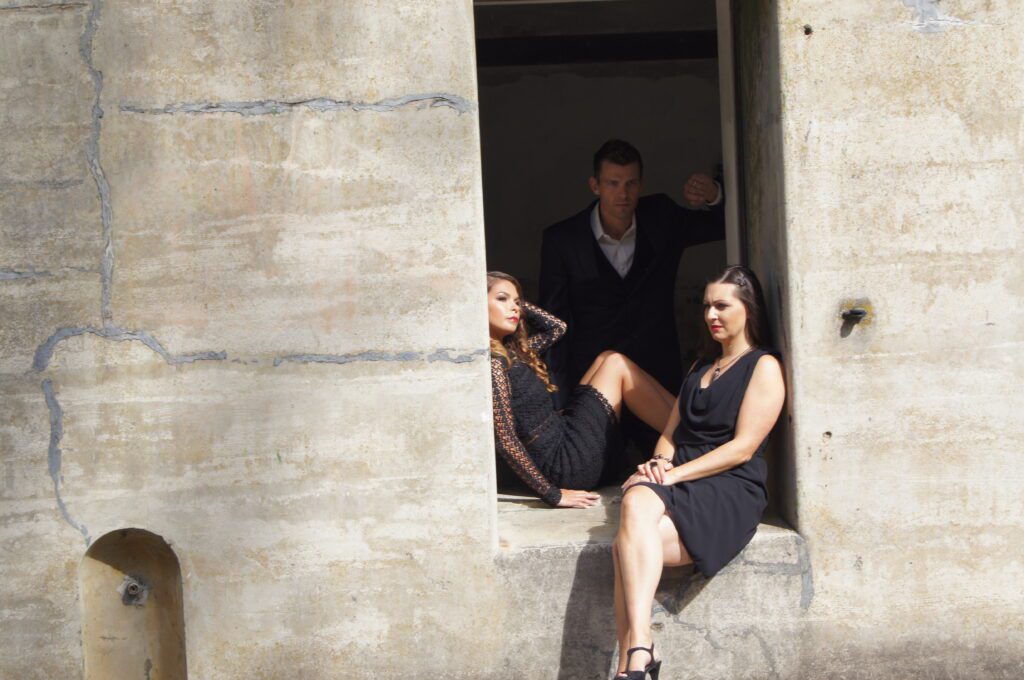
Fort Flagler is a windswept World War I–era coastal defense fort on the tip of Marrowstone Island — a place of concrete bunkers, rusted artillery emplacements, and long echoing corridors carved into the hillside. It’s stark, beautiful, and strangely peaceful. The kind of place where history hangs in the air and the landscape feels bigger than you are.
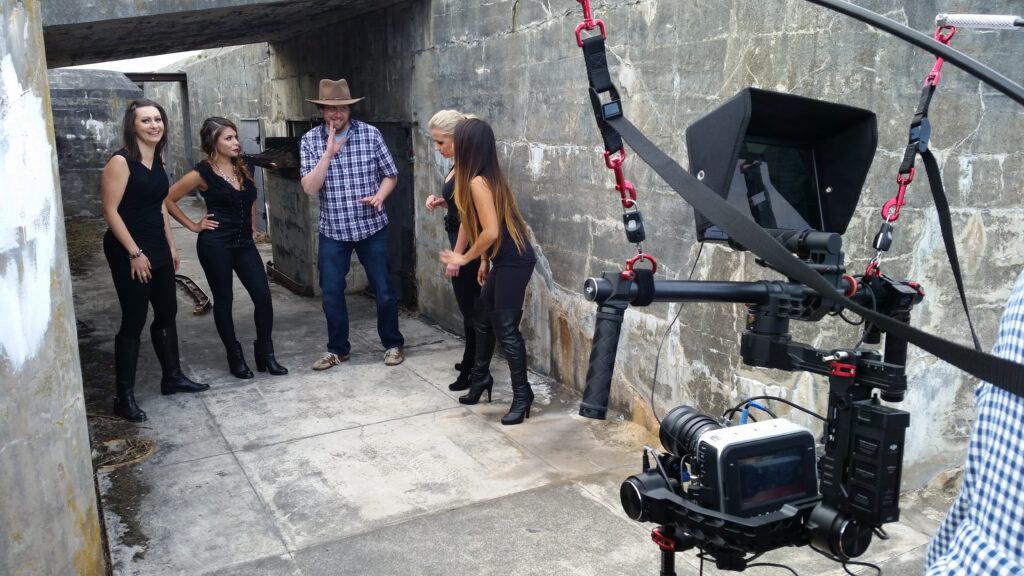
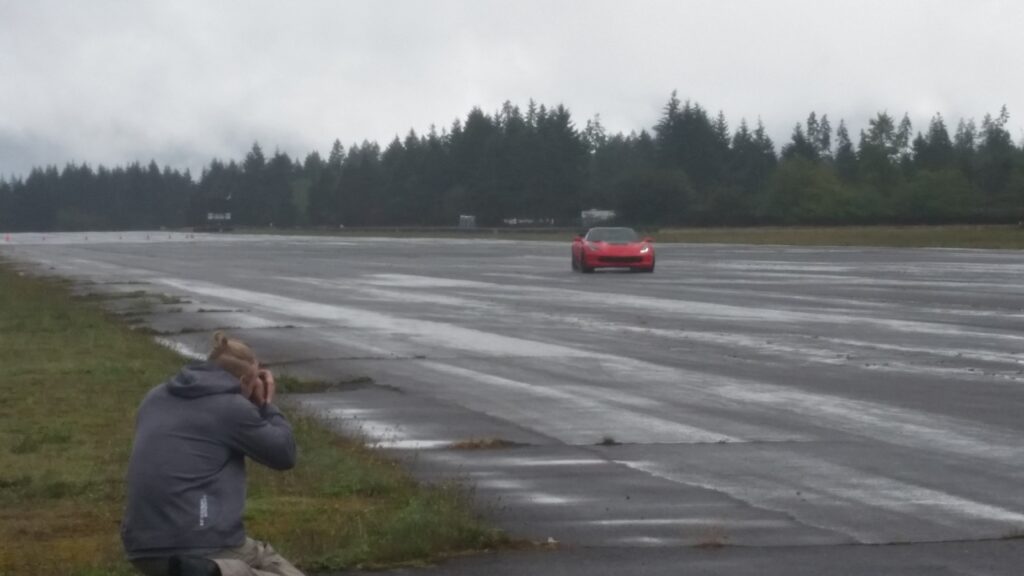
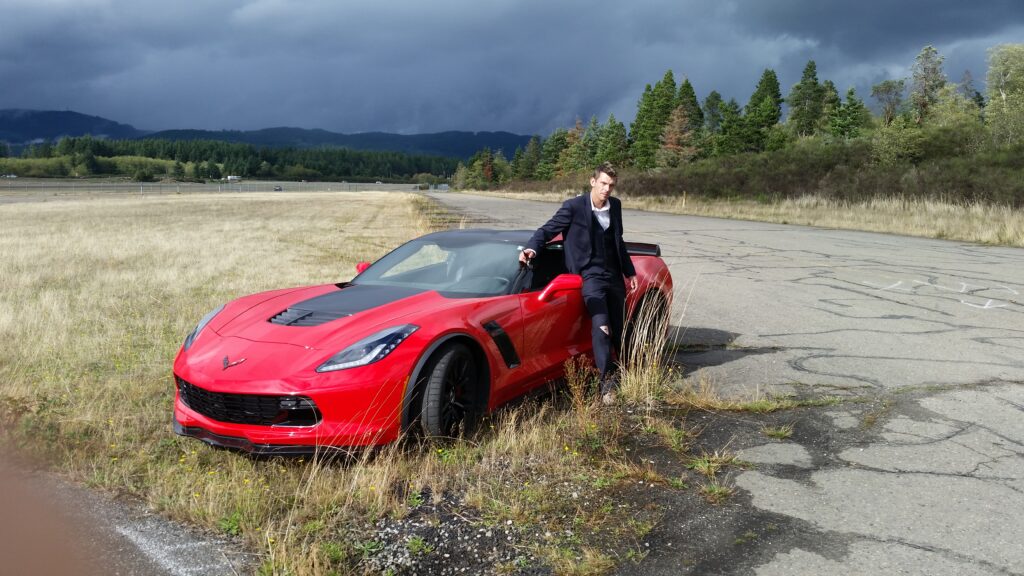
In 2015, this old fort became the backdrop for one of the most ambitious, chaotic, meaningful, and unintentionally hilarious projects of my life: the filming of my Private Investigator video.
What started as a questionable idea — fueled by ADHD, too much creative energy, and a gold Prius — turned into a full‑scale production involving friends, colleagues, professional actors, race cars, motorcycles, special effects, makeup artists, and a commercial filming permit for a public park full of century‑old ruins. It took months of planning, more logistics than a small military operation, and more follow‑through than I honestly thought I had at the time.
But we did it. And it was one of the best experiences of my life.
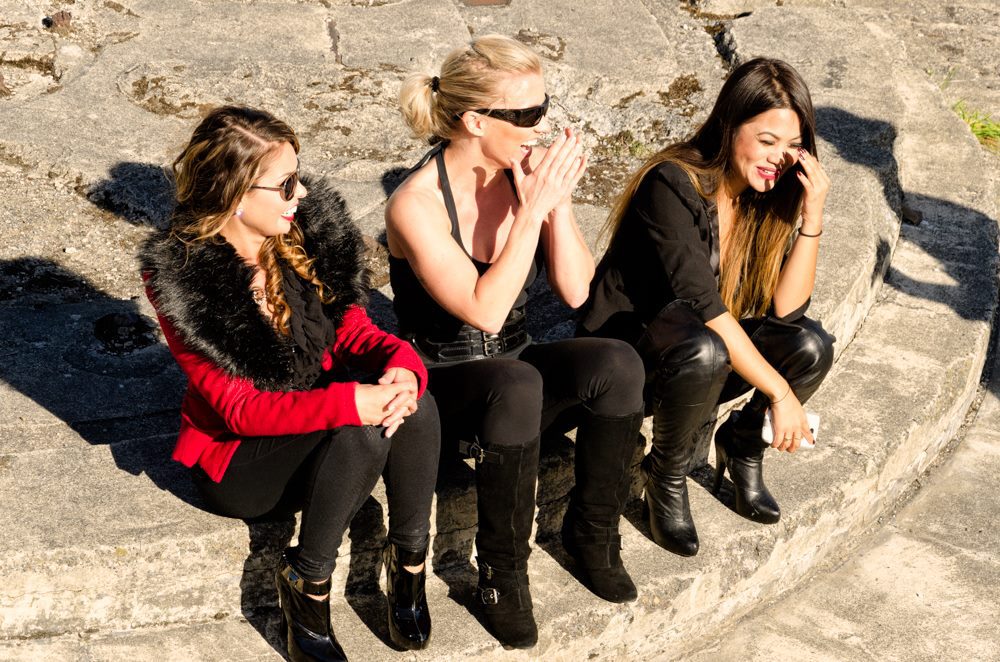
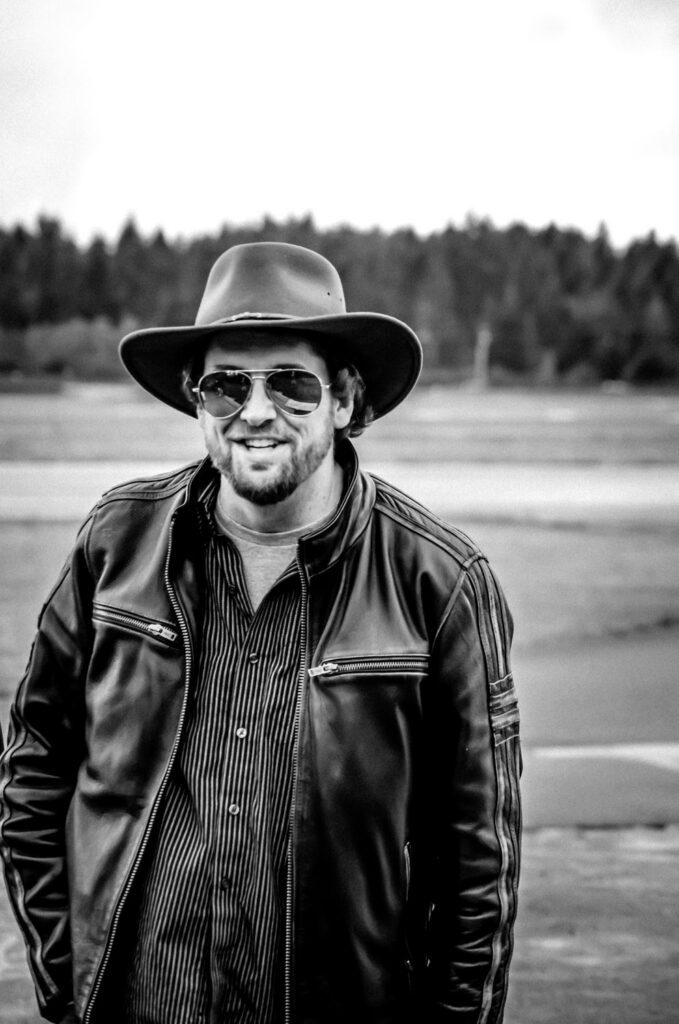
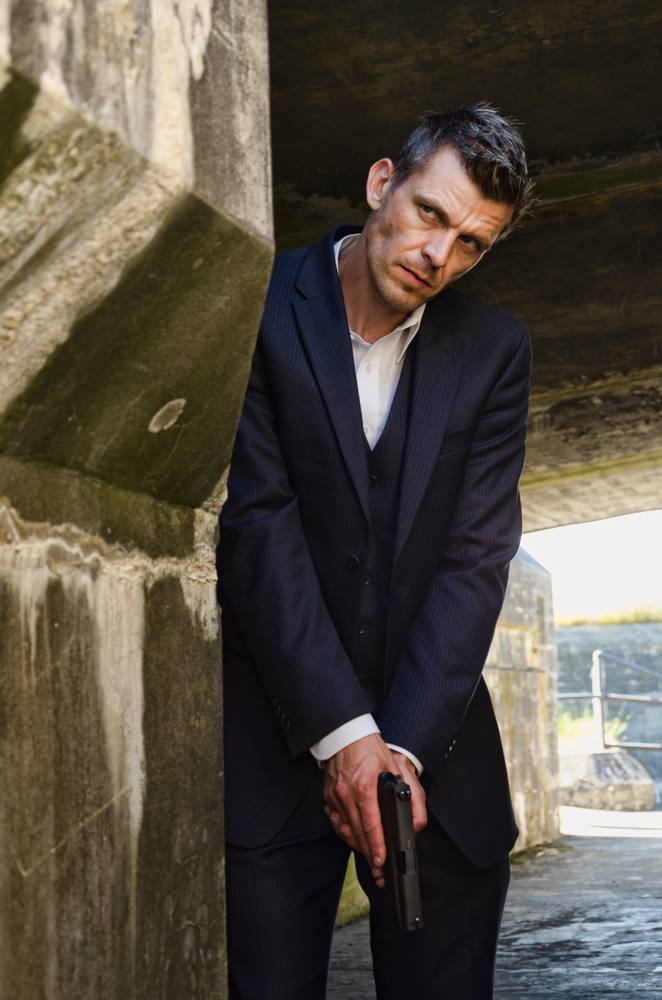
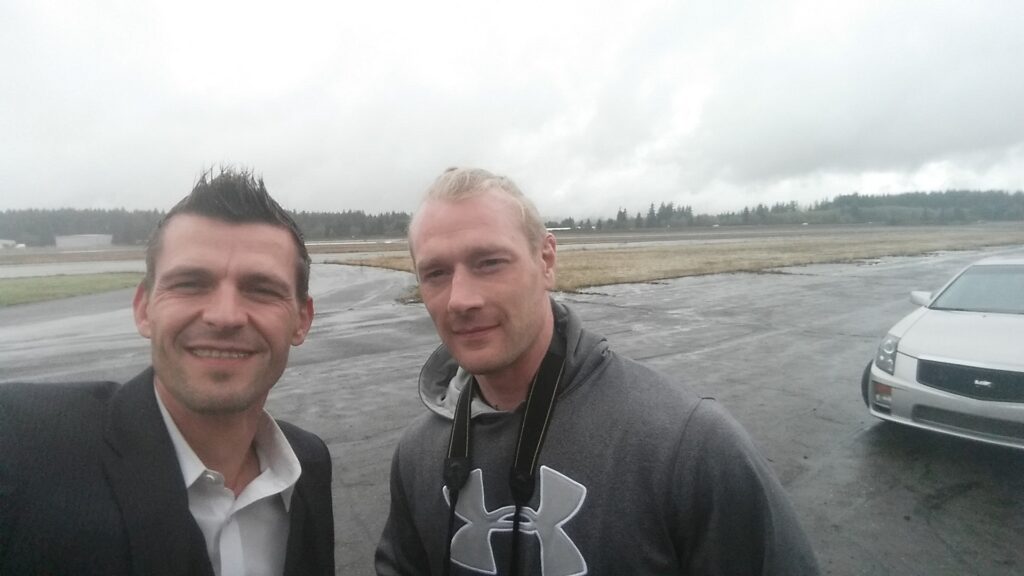
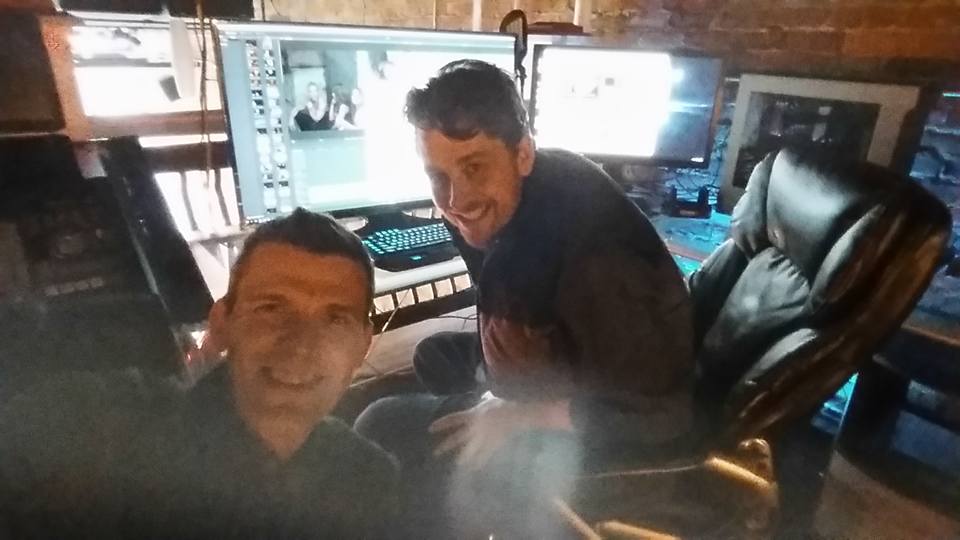
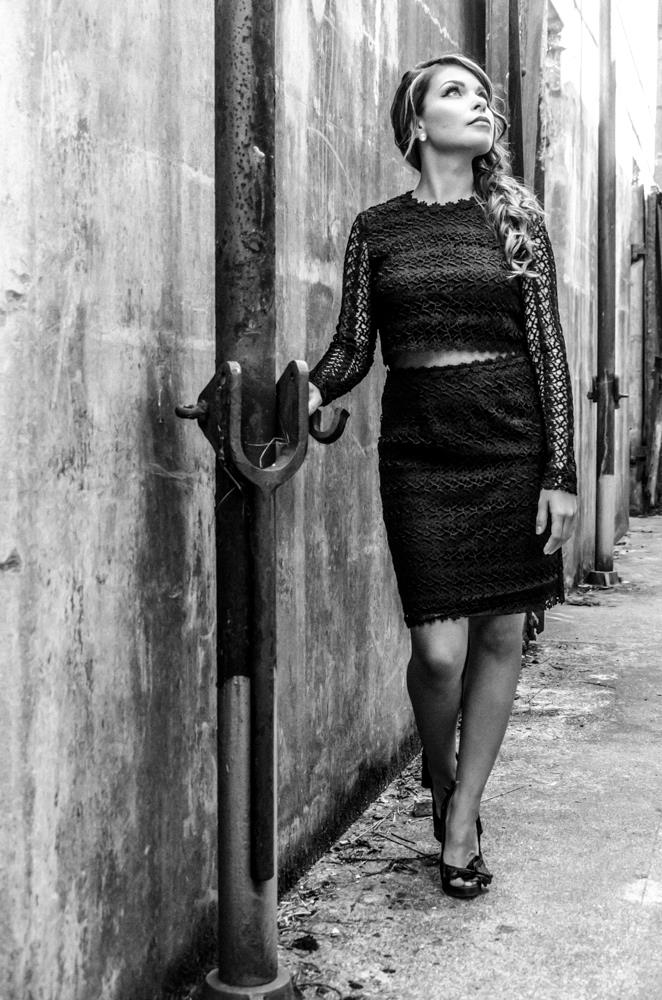
These photos — taken at Fort Flagler and the surrounding locations — capture the people who showed up for me, the grit of the place, and the spirit of the project. They also capture a chapter of my life that shaped who I am now as a therapist: someone who understands pressure, risk, creativity, fear, and the strange ways we try to prove ourselves when we’re still figuring out who we are.
I include this gallery on my psychotherapy website not because it’s flashy, but because it’s true. It’s part of my story — a story about effort, community, vulnerability, and the long road toward clarity.
This project only happened because people believed in me. My wife and mother‑in‑law supported me through every late night and every “Are we really doing this?” moment. My friends showed up with their time, their gear, and their trust. And two people deserve special thanks:
Tom Thompson IV — for the incredible image that anchors this gallery.
Jason Farris of Frankly Cinematics — for taking a leap of faith in me, bringing professional filmmaking to a wild idea, and helping turn it into something real.
Fort Flagler is where all of that came together. It’s where I learned what it means to commit to something fully, even when it’s messy. It’s where I learned how much people matter. And it’s where I realized that the chapters we think are “off‑brand” often end up being the ones that define us.
That’s why these photos belong here. They’re not just images — they’re context. They’re the bridge between who I was then and the work I do now.